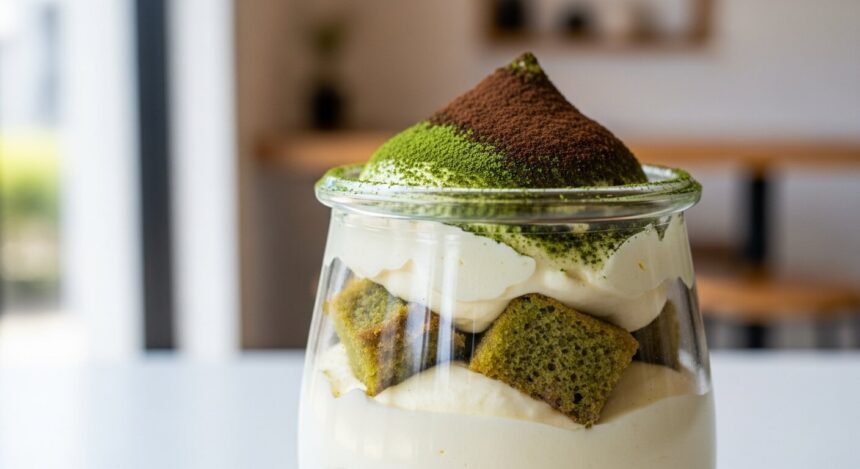
If you’re a dessert enthusiast searching for the next viral treat, trurimesu deserves a spot at the top of your list. This Japanese innovation has captured hearts worldwide by reimagining the classic Italian tiramisu with unique textures and presentation styles that make it perfect for social media and, more importantly, your taste buds. In this comprehensive guide, we’ll explore everything you need to know about this delightful dessert phenomenon.
- What Makes Trurimesu Different from Traditional Tiramisu
- The Origins and Rise of Trurimesu
- Key Ingredients That Define Trurimesu
- How to Make Trurimesu at Home
- Popular Trurimesu Variations Around the World
- Where to Find the Best Trurimesu
- Health Considerations and Nutritional Information
- Tips for Perfecting Your Trurimesu Technique
- The Future of Trurimesu in Global Dessert Culture
- FAQS
- Conclusion
What Makes Trurimesu Different from Traditional Tiramisu
Trurimesu represents a creative Japanese interpretation of the beloved Italian dessert tiramisu. While traditional tiramisu features layers of coffee-soaked ladyfingers and mascarpone cream, this Japanese version introduces innovative elements that set it apart. The most distinctive characteristic is its unique texture, which often includes a silky-smooth mascarpone layer that melts in your mouth, combined with various creative toppings and presentations.
Japanese pastry chefs have elevated the classic recipe by incorporating local ingredients and techniques that appeal to modern palates. The result is a dessert that maintains the essence of tiramisu while offering something entirely fresh and exciting. Many versions feature matcha powder, yuzu citrus notes, or even sake-infused creams that give the dessert a distinctly Japanese character.
The Origins and Rise of Trurimesu
The creation of trurimesu emerged from Japan’s thriving dessert culture, where chefs constantly innovate to create Instagram-worthy treats that taste as good as they look. Japanese confectioners noticed that while traditional tiramisu was popular, there was room for improvement in texture and presentation. They began experimenting with different ratios of mascarpone cheese, adding unique Japanese ingredients, and developing new serving methods.
Social media played a crucial role in popularizing this dessert variant. As food bloggers and influencers shared photos of beautifully presented trurimesu cups and jars, the trend spread rapidly across Asia and eventually reached Western markets. The dessert’s photogenic qualities, combined with its exceptional taste, created the perfect storm for viral success.
Key Ingredients That Define Trurimesu
| Ingredient | Purpose | Japanese Touch |
|---|---|---|
| Mascarpone Cheese | Creamy base layer | Ultra-smooth texture |
| Coffee | Flavor foundation | Often uses specialty Japanese coffee |
| Lady Fingers | Structural element | Sometimes replaced with Japanese sponge cake |
| Cocoa Powder | Finishing touch | May include matcha or hojicha alternatives |
| Sweetener | Balancing flavor | Often uses lighter, refined sweetness |
The quality of ingredients plays a vital role in creating authentic trurimesu. Japanese versions typically use premium mascarpone that’s whipped to an incredibly light consistency, creating a mousse-like texture that differs from traditional preparations. The coffee component often features carefully selected beans, sometimes from Japanese roasters, that provide a balanced bitter note without overwhelming the delicate cream.
How to Make Trurimesu at Home
Creating this Japanese dessert masterpiece at home is more accessible than you might think. Start by whipping high-quality mascarpone cheese with sugar until it reaches a cloud-like consistency. The key is to incorporate air slowly, creating an ultra-smooth texture that defines this variation. Unlike traditional tiramisu, which often uses raw eggs, many trurimesu recipes omit them entirely or use pasteurized alternatives for safety.
For the coffee layer, brew a strong espresso or concentrated coffee and allow it to cool completely. Some recipes suggest adding a splash of coffee liqueur or even sake for depth. Dip your ladyfingers or sponge cake briefly—just enough to absorb flavor without becoming soggy. Layer the components in clear glasses or jars to showcase the beautiful stratification that makes this dessert so visually appealing.
The final touch involves dusting with premium cocoa powder or, for a Japanese twist, adding a layer of matcha powder. Some variations include fresh fruit, edible flowers, or gold leaf for extra elegance. Refrigerate for at least four hours to allow flavors to meld and the texture to set properly.
Popular Trurimesu Variations Around the World
The global appeal of trurimesu has led to countless creative variations. In South Korea, cafes offer versions with Korean melon or black sesame. European pastry chefs have embraced the concept, adding local ingredients like Belgian chocolate or French vanilla beans. Each variation maintains the core principles of ultra-smooth texture and elegant presentation while incorporating regional flavors.
Matcha trurimesu has become particularly popular, replacing traditional cocoa with vibrant green tea powder. This variation offers a slightly bitter, earthy flavor that complements the sweet mascarpone beautifully. Strawberry versions feature fresh fruit layered between cream sections, adding a refreshing element that lightens the richness.
Some creative chefs have developed savory interpretations, though these remain less common. These experimental versions might include herbs, reduced balsamic, or even cheese varieties beyond mascarpone, pushing the boundaries of what this dessert can become.
Where to Find the Best Trurimesu
Japan remains the epicenter of exceptional trurimesu, with Tokyo and Osaka boasting numerous specialty cafes dedicated to perfecting this dessert. Popular chains have emerged specifically around this trend, offering multiple flavor variations and take-home options. These establishments often feature minimalist interiors that let the dessert shine as the star attraction.
Outside Japan, major metropolitan areas worldwide have embraced the trend. Cities like Seoul, Singapore, Los Angeles, and London now feature cafes and bakeries serving their interpretations. When searching for quality options, look for establishments that emphasize fresh, high-quality ingredients and proper refrigeration, as the delicate nature of mascarpone requires careful handling.
Health Considerations and Nutritional Information
While trurimesu is undoubtedly an indulgent treat, understanding its nutritional profile helps with mindful consumption. A typical serving contains approximately 300-400 calories, primarily from mascarpone cheese and ladyfingers. The dessert is high in saturated fat due to the cheese content, though it also provides calcium and protein.
For those with dietary restrictions, several adaptations exist. Vegan versions substitute coconut cream or cashew-based alternatives for mascarpone, though the texture differs from traditional preparations. Sugar-free options use alternative sweeteners, though this may affect the final consistency. Gluten-free versions replace ladyfingers with appropriate alternatives like almond cake.
Tips for Perfecting Your Trurimesu Technique
Achieving restaurant-quality results requires attention to several crucial details. First, ensure all dairy ingredients are properly chilled before whipping, as this helps achieve maximum volume and stability. When folding ingredients together, use gentle motions to preserve the airy texture you’ve worked to create.
Temperature control throughout preparation and storage is essential. Keep your workspace cool, work quickly with the mascarpone, and refrigerate immediately after assembly. This prevents separation and maintains the signature smooth texture that defines excellent trurimesu.
Presentation matters significantly with this dessert. Use clear serving vessels to showcase the layers, and apply cocoa or matcha powder just before serving to prevent moisture absorption. Consider garnishing with a single coffee bean, a delicate cookie, or a small edible flower for visual impact.
The Future of Trurimesu in Global Dessert Culture
As food trends continue evolving, trurimesu shows no signs of fading. Its combination of familiar flavors and innovative presentation keeps it relevant even as new desserts emerge. The dessert has inspired countless variations and has encouraged traditional bakeries to experiment with their classic offerings.
The sustainability movement is influencing how chefs approach this dessert, with increased emphasis on locally sourced ingredients and reduced packaging for take-home versions. Some establishments now offer refillable jar programs, allowing customers to return containers for discounts on future purchases.
FAQS
Q: What is trurimesu?
A: Trurimesu is a Japanese twist on classic tiramisu, known for its ultra-smooth mascarpone cream and creative presentation.
Q: How is trurimesu different from tiramisu?
A: It uses lighter textures, Japanese ingredients like matcha or yuzu, and visually appealing layered presentations.
Q: Where did trurimesu originate?
A: Trurimesu started in Japan’s modern dessert culture, gaining popularity through social media and café trends.
Q: Can I make trurimesu at home?
A: Yes! Whipped mascarpone, quality coffee, and sponge or ladyfingers layered in jars make an easy homemade version.
Q: Is trurimesu healthy?
A: It’s indulgent, with 300–400 calories per serving, but lighter versions using alternative ingredients are available.
Conclusion
Trurimesu represents more than just another dessert trend—it exemplifies how culinary traditions can evolve while respecting their origins. This Japanese innovation has successfully captured global attention by offering something familiar yet excitingly different. Whether you’re enjoying it at a trendy cafe or creating your own version at home, this dessert delivers an experience that satisfies both the eyes and the palate. As it continues spreading worldwide, each region adds its unique interpretation, ensuring this delightful creation remains dynamic and relevant for years to come.