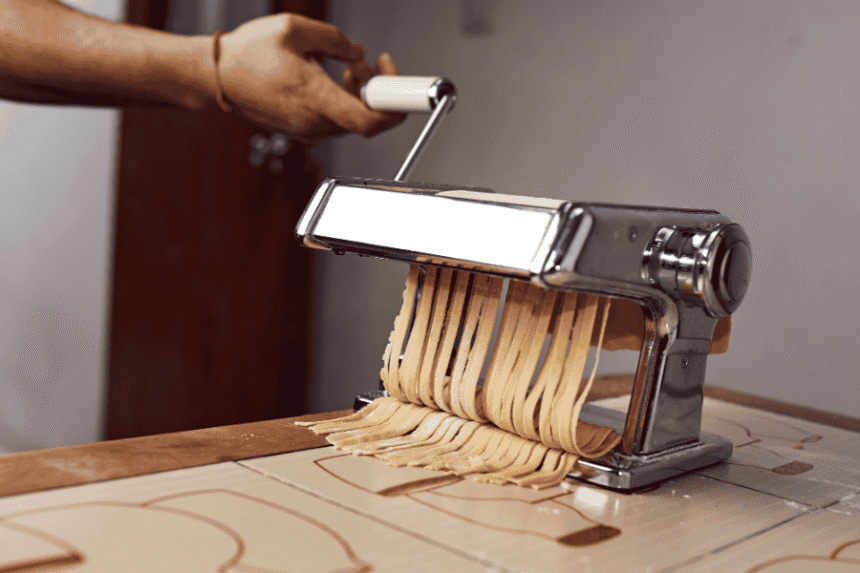
The tortellinatrice represents a remarkable innovation in pasta-making technology, transforming the labor-intensive process of creating tortellini into an efficient and accessible culinary experience. Whether you’re a professional chef running a bustling Italian restaurant or a passionate home cook eager to recreate authentic regional dishes, understanding this specialized machine opens up a world of possibilities. This specialized equipment has revolutionized how we approach traditional pasta preparation, making it possible to produce dozens of perfectly shaped tortellini in minutes rather than hours.
- What Exactly Is a Tortellinatrice?
- Historical Background and Modern Evolution
- Types of Tortellinatrice Machines
- Key Features to Consider When Choosing Your Tortellinatrice
- Construction Materials and Durability
- Adjustability and Versatility
- Ease of Cleaning
- Production Speed and Capacity
- How to Use a Tortellinatrice: Step-by-Step Process
- Advantages of Using a Tortellinatrice
- Maintenance and Care Guidelines
- Recipes and Creative Applications Beyond Traditional Tortellini
- Investment Considerations and Cost-Effectiveness
- Where to Purchase and What to Look For
- FAQs
- Conclusion
What Exactly Is a Tortellinatrice?
A tortellinatrice is a specialized pasta-making machine designed to form tortellini, the iconic ring-shaped, filled pasta originating in the Emilia-Romagna region of Italy. Unlike general pasta machines that simply roll dough, this device performs multiple functions simultaneously: cutting the pasta dough into precise circles or squares, adding the filling, and shaping each piece into the characteristic wrapped form. The automation of these steps preserves the traditional appearance while dramatically increasing production speed and consistency.
Historical Background and Modern Evolution
Traditional tortellini-making required extraordinary skill, with Italian grandmothers spending hours folding each delicate piece by hand. The introduction of mechanical assistance began in commercial settings during the mid-20th century, but early machines were prohibitively expensive and designed only for industrial-scale production. Today’s tortellinatrice models range from compact countertop versions suitable for home kitchens to sophisticated commercial units capable of producing thousands of pieces per hour, making this time-honored craft accessible to everyone.
Types of Tortellinatrice Machines
| Machine Type | Production Capacity | Ideal For | Price Range |
|---|---|---|---|
| Manual Tortellinatrice | 50-100 pieces/hour | Home cooks, small batches | $50-$200 |
| Semi-Automatic | 200-500 pieces/hour | Small restaurants, catering | $300-$800 |
| Automatic Commercial | 1000+ pieces/hour | Large restaurants, production facilities | $1,500-$5,000+ |
| Electric Countertop | 150-300 pieces/hour | Serious home cooks, small cafes | $250-$600 |
Manual Models
Manual versions require hand-cranking but offer excellent control over the process. These entry-level options work wonderfully for occasional use and help users develop an understanding of proper dough consistency and filling ratios before investing in more advanced equipment.
Electric and Automatic Systems
Electric models handle the power requirements automatically, allowing operators to focus on feeding dough and monitoring output quality. Premium automatic systems integrate filling dispensers, precise cutting mechanisms, and shaping components into seamless production lines that maintain consistency across hundreds of pieces.
Key Features to Consider When Choosing Your Tortellinatrice
Construction Materials and Durability
Quality machines feature stainless steel components that resist corrosion and maintain food safety standards. Plastic elements should be food-grade and BPA-free. The build quality directly impacts longevity, with well-constructed units lasting decades with proper maintenance.
Adjustability and Versatility
Look for models offering adjustable settings for pasta thickness, filling quantity, and final size. This flexibility allows you to experiment with different recipes and accommodate various filling types, from traditional meat-based mixtures to vegetarian, cheese, or seafood alternatives.
Ease of Cleaning
Pasta dough creates residue that hardens quickly, making cleaning accessibility crucial. Machines with removable components that are dishwasher-safe significantly reduce maintenance time. Smooth surfaces without excessive crevices prevent dough buildup and bacterial growth.
Production Speed and Capacity
Assess your actual needs realistically. Home cooks rarely need industrial capacity, while restaurant kitchens must consider peak service demands. Remember that faster isn’t always better some high-speed models sacrifice precision for throughput.
How to Use a Tortellinatrice: Step-by-Step Process
Preparing Your Dough
Create a smooth, elastic pasta dough using the traditional ratio of 100 grams of flour per egg. The dough must rest for at least 30 minutes before processing, allowing gluten development that prevents tearing during shaping. Roll the dough to the thickness specified by your machine’s instructions, typically between 1-2 millimeters.
Preparing the Filling
Traditional tortellini fillings combine ground pork, prosciutto, mortadella, Parmigiano Reggiano cheese, eggs, and nutmeg. Modern variations include spinach and ricotta, butternut squash, or wild mushroom mixtures. The filling should be neither too wet (causing sogginess) nor too dry (preventing proper sealing). Consistency similar to thick hummus works best with most machines.
Operating Your Machine
Feed the rolled pasta sheet into the designated slot while simultaneously introducing filling through the appropriate channel. The device cuts individual portions, deposits filling, and folds the pasta automatically or semi-automatically depending on your model. Maintain steady pressure and consistent speed for uniform results.
Troubleshooting Common Issues
If tortellini break during formation, your dough may be too dry lightly mist it with water. If pieces won’t seal properly, the edges might need a brush of water or egg wash. Overfilled tortellini burst during cooking, so calibrate filling dispensers conservatively at first.
Advantages of Using a Tortellinatrice
Time efficiency stands as the most obvious benefit, with machines producing in minutes what would take hours by hand. Consistency improves dramatically every piece emerges identical in size and shape, ensuring even cooking and professional presentation. The reduced physical strain makes pasta production sustainable for those with arthritis or limited hand mobility. Scaling up for special occasions or commercial service becomes manageable without hiring additional staff.
Maintenance and Care Guidelines
After each use, disassemble removable components and clean them thoroughly with warm soapy water. Dry everything completely before reassembly to prevent rust on metal parts. Lubricate mechanical components monthly using food-safe mineral oil on gears and hinges. Store the equipment in a dry environment away from extreme temperatures. Annual professional servicing extends the operational lifespan of commercial-grade units.
Recipes and Creative Applications Beyond Traditional Tortellini
While designed primarily for tortellini, many machines adapt to producing cappelletti, ravioli, and even some dumpling varieties. Experiment with pasta dough variations incorporating spinach, beet juice, squid ink, or whole wheat flour for visual and nutritional diversity. Sweet versions filled with chocolate-hazelnut spread, sweetened ricotta, or fruit preserves create innovative desserts.
Investment Considerations and Cost-Effectiveness
For households making fresh pasta monthly, a basic tortellinatrice pays for itself within a year compared to purchasing fresh tortellini from specialty shops. Restaurant operations see even faster returns, with labor savings and menu expansion opportunities justifying higher initial investments. Consider long-term value rather than simply comparing purchase prices a durable machine lasting twenty years costs less annually than replacing cheaper models every few years.
Where to Purchase and What to Look For
Specialty kitchen equipment retailers, Italian import stores, and online marketplaces all stock various models. Read verified customer reviews focusing on long-term reliability rather than initial impressions. Warranty coverage indicates manufacturer confidence; look for at least one-year warranties on mechanical components. Consider purchasing from suppliers offering replacement parts availability to ensure repairability.
FAQs
Q: What is a tortellinatrice?
A: A tortellinatrice is a specialized machine for making tortellini efficiently, automating cutting, filling, and shaping.
Q: Who can use a tortellinatrice?
A: Both home cooks and professional chefs can use it, with models ranging from countertop to commercial units.
Q: What are the main benefits of a tortellinatrice?
A: It saves time, ensures uniform pasta, reduces manual labor, and allows large-scale production.
Q: Can a tortellinatrice make other pasta types?
A: Yes, many machines can produce cappelletti, ravioli, and some dumplings with the right dough and filling.
Q: How should I maintain my tortellinatrice?
A: Clean removable parts after each use, dry thoroughly, lubricate gears monthly, and perform occasional professional servicing.
Conclusion
The tortellinatrice bridges traditional culinary arts with modern convenience, making authentic Italian pasta preparation accessible without sacrificing quality or authenticity. Whether you’re preserving family recipes, launching a restaurant concept, or simply exploring new cooking techniques, this specialized equipment empowers you to create restaurant-quality tortellini consistently. Investment in a quality machine opens endless creative possibilities while maintaining a connection to centuries-old traditions. As you master this tool, you’ll discover that perfect pasta becomes not just achievable but genuinely enjoyable to produce.