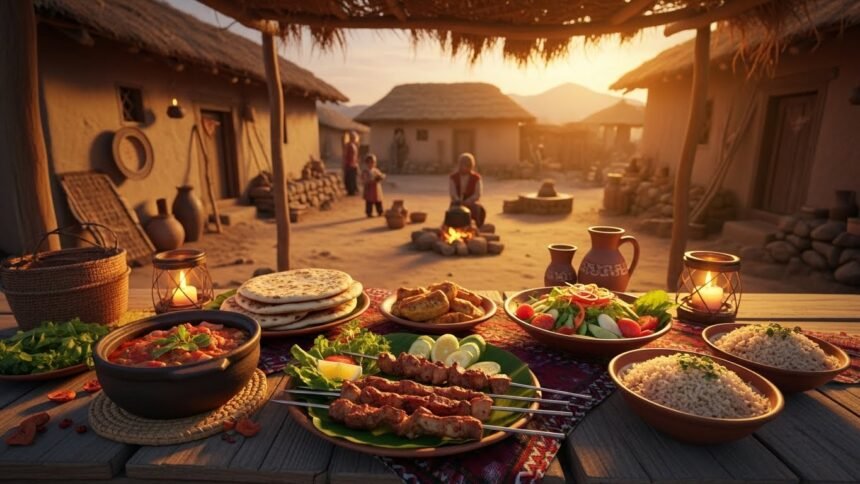
Nestled away from the bustling tourist trails, Kompama is a culinary paradise waiting to be discovered. This hidden gem offers an intriguing blend of flavors that captivate the senses and tell stories of rich traditions. From vibrant markets overflowing with fresh ingredients to family kitchens where secrets are passed down through generations, Kompama’s unique cuisine is more than just food; it’s a journey into culture and community. If you’re ready to explore dishes that tantalize your taste buds while also celebrating heritage, then let’s dive into what makes Kompama truly special.
- The origins of Kompama food and culture
- Popular dishes and ingredients used in Kompama cuisine
- Traditional cooking methods and techniques
- The role of food in Kompama society and celebrations
- How to experience Kompama cuisine
- Impact of globalization on Kompama food
- Sustainability practices in Kompama’s culinary traditions
- Conclusion
The origins of Kompama food and culture
Kompama’s culinary roots run deep, intertwined with its rich cultural tapestry. This vibrant region has been shaped by diverse influences over centuries. Indigenous practices melded with trade from neighboring lands create a unique flavor profile that defines Kompama cuisine.
Historically, local ingredients were harvested from the fertile land and abundant waters. Each community contributed their own specialties, reflecting the agricultural bounty of the area. The use of spices and herbs tells stories of ancient trade routes that brought new flavors to the table.
Rituals surrounding food preparation also play a significant role in Kompama culture. Traditional gatherings often revolve around shared meals, showcasing both hospitality and connection among families and friends.
This blend of history, geography, and social customs makes Kompama’s food more than just sustenance; it is an expression of identity that continues to evolve while honoring its past.
Popular dishes and ingredients used in Kompama cuisine
Kompama cuisine is a vibrant tapestry of flavors, showcasing an array of unique dishes that celebrate local ingredients. One standout dish is “Gompa Stew,” a hearty mix of tender meats and seasonal vegetables simmered with aromatic spices.
Rice plays a vital role in many meals, often served alongside savory curries or grilled fish. The use of locally sourced herbs like basil and cilantro adds freshness to each plate.
Another beloved specialty is “Kompama Flatbread,” traditionally baked in clay ovens. This versatile bread complements various stews and dips, making it a staple at every meal.
Street vendors contribute to the culinary landscape with snacks such as spiced roasted nuts and sweet pastries filled with fruits unique to the region. Each bite tells a story steeped in tradition, inviting adventurous eaters to explore its rich offerings further.
Traditional cooking methods and techniques
Traditional cooking methods in Kompama are a testament to the region’s rich culinary heritage. These time-honored techniques often involve slow cooking, allowing flavors to meld beautifully.
One popular method is “pit roasting,” where meats and vegetables are wrapped in leaves and buried underground with hot stones. This not only infuses them with earthy flavors but also preserves moisture for a tender bite.
Another beloved technique is fermentation, used extensively for making unique condiments that accompany many dishes. Ingredients like fruits and grains undergo transformation, resulting in tangy tastes that enhance every meal.
Steaming is also prevalent, particularly for dumplings filled with local ingredients. The gentle heat keeps nutrients intact while delivering soft textures.
Each of these methods reflects the community’s respect for tradition and nature, making every dish an experience steeped in culture.
The role of food in Kompama society and celebrations
Food plays a central role in Kompama society, serving as a vital connection among community members. Meals are often communal experiences that bring people together to share stories and laughter.
Celebrations in Kompama revolve around food. Traditional feasts mark significant events such as weddings, harvests, and festivals. Each dish served tells a story of the land and its heritage.
During these gatherings, recipes passed down through generations take center stage. The preparation becomes an art form where families bond over mixing spices and kneading dough.
Seasonal ingredients hold special significance too. They reflect the rhythms of nature while reinforcing ties to cultural identity.
Kompama cuisine is not just about nourishment; it embodies gratitude for life’s blessings. As dishes are shared, so too are hopes and dreams for the future within this vibrant community.
How to experience Kompama cuisine
To truly experience Kompama cuisine, start by visiting local markets. The vibrant stalls are filled with fresh ingredients and spices that are staples in the region.
Seek out traditional eateries or family-run restaurants. These hidden gems often offer authentic dishes prepared using age-old recipes passed down through generations.
Consider taking a cooking class. This hands-on experience not only teaches you about the flavors but also immerses you in the culture surrounding the food.
Don’t miss community festivals centered around food. These events celebrate culinary traditions and allow for tasting various local specialties while mingling with locals who share their stories and recipes.
Engage with locals to learn about their favorite home-cooked meals. Their personal recommendations can lead you to unforgettable dining experiences that reflect true Kompama spirit.
Impact of globalization on Kompama food
Globalization has woven its way into the fabric of Kompama food culture. As international influences seep in, traditional dishes are evolving. Ingredients once local are now complemented by flavors and techniques from around the world.
This exchange can be a double-edged sword. While some embrace these new culinary fusions, others fear that authentic recipes may fade away. Classic Kompama preparations face competition from trendy global cuisines.
However, globalization also opens doors for greater visibility. Chefs and home cooks alike find inspiration beyond their borders while still holding onto their roots. Food festivals showcase this blend, celebrating both tradition and innovation.
Social media amplifies voices that promote Kompama cuisine on a larger stage. Virtual platforms allow chefs to share their unique takes with audiences far and wide, fostering appreciation for this hidden gem amidst the vast culinary landscape.
Sustainability practices in Kompama’s culinary traditions
Sustainability is woven into the fabric of Kompama culinary traditions. Locals prioritize using seasonal and locally sourced ingredients, which not only enhances flavor but also supports regional farmers.
Traditional farming practices are often organic. The community utilizes crop rotation and permaculture techniques to maintain soil health. This approach ensures that the land remains fertile for generations to come.
Waste minimization is a core value in Kompama cuisine. Leftovers find new life in soups or stews, preventing unnecessary waste while enriching flavors.
Cooking methods emphasize energy efficiency too. Many households rely on wood-fired stoves made from sustainable materials, creating an authentic taste without harming the environment.
These practices reflect a deep respect for nature and resources, making each dish not just delicious but also environmentally conscious. It’s a culinary philosophy that resonates with both locals and visitors alike.
Conclusion
Kompama is more than just a cuisine; it’s a celebration of culture and tradition. The flavors are not only unique but also tell stories passed down through generations. Each dish holds significance, offering insights into the community’s history and values.
The diverse ingredients used in Kompama dishes highlight local agriculture and sustainability practices that have been cherished over time. With traditional cooking methods still prevalent, every meal becomes an experience—one that connects you to the essence of the people behind it.
As globalization touches every corner of the world, Kompama food remains resilient yet adaptable. It finds ways to incorporate new influences while retaining its core identity. This balance makes it an exciting culinary adventure for anyone willing to explore.
Visiting restaurants or markets featuring Kompama cuisine opens up a realm of flavors waiting to be discovered. Whether you’re looking for bold spices or comforting textures, there’s something here for everyone.
Embracing Kompama means diving into a rich tapestry of tastes and traditions that deserve recognition on your culinary journey. Don’t miss out on this hidden gem—it promises unforgettable experiences with each bite.