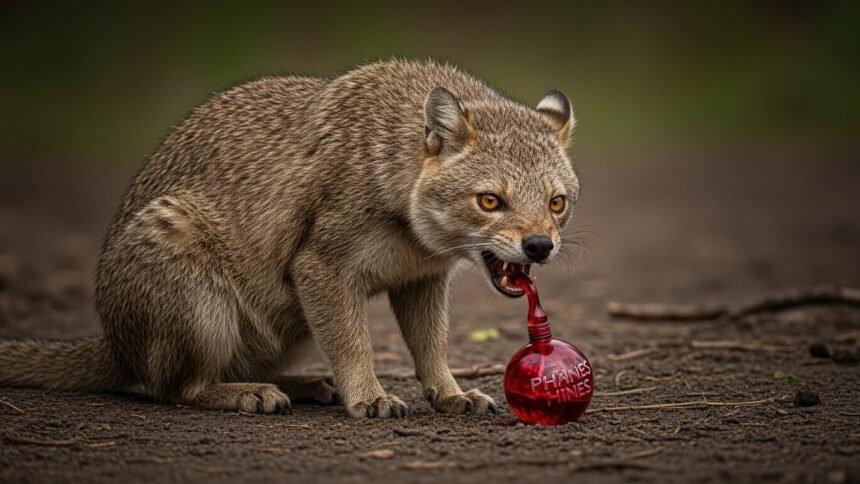
Imagine a world where some creatures have mastered the art of stealing—not just through sneaky tactics but by using poison to incapacitate their competitors. This fascinating behavior, known as kleptotoxicity, showcases how nature can be both cunning and brutal. From marine environments to lush forests, certain species have evolved unique strategies that allow them to hijack resources from others with deadly precision. Curious about this intriguing phenomenon? Let’s dive into the depths of kleptotoxicity and uncover its secrets!
What is Kleptotoxicity?
Kleptotoxicity is a captivating survival strategy observed in certain species. It involves the use of toxins to steal resources from others, often without confrontation.
Imagine a predator that not only hunts but also employs venom to incapacitate its prey or competitors. This tactic allows them to access food sources that would otherwise be defended fiercely.
The term combines “klepto,” meaning theft, with “toxicity,” referring to the harmful effects of poisons. Together, they paint a picture of nature’s ruthless ingenuity.
While it may seem like an extreme measure, kleptotoxicity highlights the lengths some organisms will go to secure their survival and thrive in competitive ecosystems.
Examples of Species that Use Kleptotoxicity
Many fascinating species exhibit kleptotoxicity, showcasing nature’s cunning strategies. One standout example is the *Elysia chlorotica*, a sea slug that steals chloroplasts from algae. By incorporating these organelles into its cells, it gains the ability to photosynthesize.
Another remarkable instance is seen in certain types of wasps. These insects inject venom into their prey, manipulating them for their benefit. This venom can incapacitate rivals and allow easy access to valuable resources.
The blue poison dart frog also captures attention with its toxic skin secretions. While primarily used for defense, these toxins can deter competitors and help secure territory by making other creatures think twice before approaching.
These examples highlight how diverse adaptations manifest across different environments, revealing an intricate web of life where theft and toxicity meet in unexpected ways.
The Science Behind Kleptotoxicity
Kleptotoxicity is a fascinating phenomenon rooted in chemical warfare. Certain species produce toxic compounds that allow them to steal resources from rivals or unsuspecting prey. This strategy can be seen in both terrestrial and aquatic environments.
The science behind it lies in the way these toxins affect other organisms’ physiology. For example, some marine snails release venom that impairs their competitors’ ability to feed, making it easier for the snail to consume valuable food sources without competition.
Research has shown that kleptotoxic behavior often involves complex interactions between predator and prey. The toxins immobilize or kill and deter others from approaching, paving the way for successful resource acquisition.
Understanding how these chemicals work at a molecular level opens up new avenues for studying ecological relationships among various species. It reveals an intricate web of survival strategies crafted through evolution over millions of years.
Potential Benefits and Drawbacks of Kleptotoxic Behavior
Kleptotoxicity presents an intriguing mix of advantages and disadvantages for species that employ this strategy. On one hand, it allows certain organisms to secure resources without expending significant energy or time hunting for food. This efficiency can be a game-changer in environments where competition is fierce.
However, the benefits come with risks. The use of toxic substances can attract unwanted attention from predators or even lead to unintended harm within their population. Misfires in toxin delivery may also result in self-harm or disease spread among kin.
Moreover, kleptotoxic behavior could disrupt ecological balance. If too many species exploit these tactics, it might create instability among populations and affect biodiversity negatively. As nature often demonstrates, every advantage comes with its own set of challenges that influence survival and evolution over time.
Real-Life Applications and Implications
Kleptotoxicity extends beyond the animal kingdom, influencing human understanding of chemical interactions. Researchers study these adaptations to innovate in pest control and agricultural practices. By harnessing the mechanisms behind kleptotoxic behaviors, we could develop new strategies for managing invasive species.
Environmental conservation efforts can also benefit from this knowledge. Understanding how certain organisms utilize toxins helps scientists create better protection plans for vulnerable ecosystems.
In medicine, kleptotoxic compounds are being explored for their potential therapeutic applications. The unique properties of these substances might lead to advancements in drug development or treatments that exploit similar biochemical pathways.
Moreover, studying kleptotoxicity enhances our awareness of biodiversity and ecological balance. It emphasizes the complex relationships within ecosystems and highlights the importance of preserving natural habitats against disruption caused by human activity.
How to Protect Against Kleptotoxic Species
Protecting against kleptotoxic species requires awareness and proactive measures. First, educate yourself about local ecosystems. Knowing which species exhibit kleptotoxic behavior can help you avoid potential threats.
When engaging in outdoor activities, stay vigilant. Keep an eye on your surroundings and be cautious while handling food or waste. Some animals may target these resources for their toxic advantages.
If you’re a gardener or tend to plants, consider using barriers or repellents that deter such creatures from approaching your garden. This creates a safer environment for both humans and pets.
In marine settings, pay attention to warnings about specific fish or invertebrates known for their toxic traits. Avoid touching unfamiliar wildlife, as they may carry risks even if they appear harmless.
Maintain healthy habitats through conservation efforts. A balanced ecosystem can reduce the prevalence of kleptotoxic behaviors over time by supporting natural predator-prey relationships.
Conclusion
Kleptotoxicity is a fascinating phenomenon that reveals the complexity of survival strategies in nature. Through this unique behavior, certain species have evolved to gain an advantage by stealing resources from others using toxic methods. From the cunning tactics of some marine animals to the intricate relationships observed in terrestrial ecosystems, kleptotoxicity highlights the extraordinary adaptability and resourcefulness of life.
Understanding these behaviors deepens our appreciation for biodiversity and prompts us to consider the interconnectedness of all species within their respective environments. As we learn more about kleptotoxicity, it opens doors for research into ecological balance and potential applications in fields like pest control or conservation efforts.
As humans, being aware of these dynamics can help us responsibly navigate interactions with wildlife. Protecting vulnerable species while respecting natural processes is essential for maintaining healthy ecosystems where various survival strategies coexist harmoniously.
The study of kleptotoxicity underscores an ongoing conversation about nature’s ingenuity and resilience—reminding us that there’s always more to discover beneath the surface of our environment.