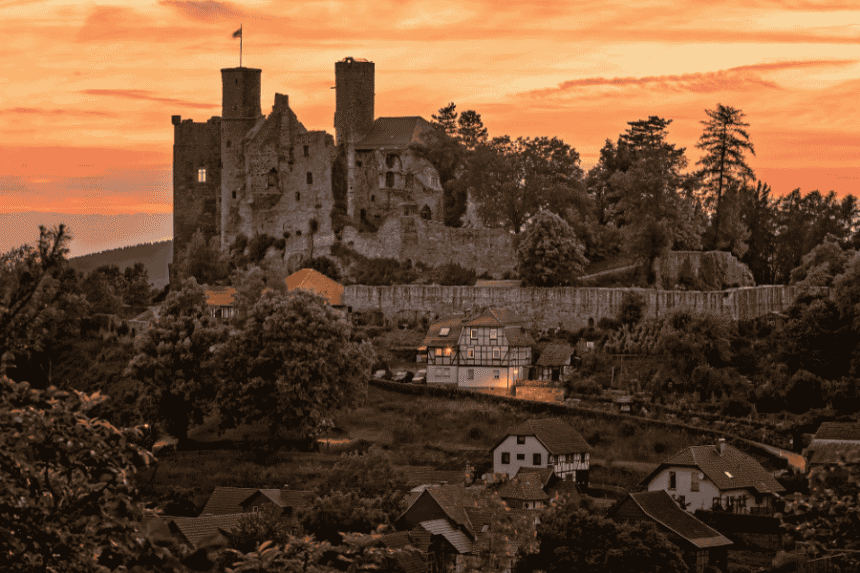
The world is filled with remarkable destinations that often remain hidden from mainstream tourism, and Maasgracve stands as one of these captivating treasures. Whether you’re a history enthusiast, nature lover, or cultural explorer, this destination offers an enriching experience that combines architectural marvels with scenic landscapes. In this comprehensive guide, we’ll delve deep into what makes Maasgracve a must-visit location, exploring its historical significance, natural attractions, and practical information for travelers seeking an authentic experience.
- Understanding the Essence of Maasgracve
- Historical Background and Cultural Significance
- Natural Attractions and Environmental Features
- Architectural Marvels and Built Heritage
- Cultural Traditions and Local Customs
- Practical Travel Information
- Activities and Experiences for Visitors
- Sustainable Tourism and Community Impact
- FAQs
- Conclusion
Understanding the Essence of Maasgracve
Maasgracve represents more than just a geographical location; it embodies a rich tapestry of cultural traditions, historical narratives, and environmental beauty. The area has evolved over centuries, maintaining its distinctive character while adapting to modern times. Visitors who venture to this destination often find themselves immersed in an atmosphere that seamlessly blends the old with the new, creating an unforgettable journey through time and space.
The significance of this location extends beyond its physical boundaries. Local communities have preserved their heritage with remarkable dedication, ensuring that future generations can appreciate the unique qualities that define the region. From traditional craftsmanship to culinary specialties, every aspect of life here reflects a deep connection to ancestral roots and environmental stewardship.
Historical Background and Cultural Significance
The history of Maasgracve stretches back several centuries, with archaeological evidence suggesting human settlement in the area dating to medieval times. Throughout its evolution, the region has witnessed numerous historical events that shaped its character and influenced its development. Ancient trade routes once passed through this territory, bringing diverse cultural influences that enriched local traditions and created a unique cultural mosaic.
Historical records indicate that the area played a strategic role during various periods of regional conflict and cooperation. Fortifications and defensive structures from different eras still stand today, serving as silent witnesses to the turbulent times that tested the resilience of local populations. These architectural remnants provide valuable insights into military strategies, construction techniques, and daily life during those challenging periods.
| Historical Period | Key Developments | Notable Landmarks |
|---|---|---|
| Medieval Era | Initial settlement and trade route establishment | Ancient fortifications, market squares |
| Renaissance Period | Cultural flourishing and architectural expansion | Historic churches, manor houses |
| Industrial Age | Economic transformation and infrastructure development | Historic mills, bridges, warehouses |
| Modern Era | Heritage preservation and tourism development | Museums, cultural centers, restored buildings |
Natural Attractions and Environmental Features
The natural landscape surrounding Maasgracve offers breathtaking scenery that changes dramatically with the seasons. Rolling hills covered in lush vegetation provide excellent opportunities for hiking and nature photography, while waterways meander through the terrain, creating peaceful settings for reflection and relaxation. The diverse ecosystem supports a wide variety of flora and fauna, making the area popular among naturalists and wildlife enthusiasts.
Ecological preservation efforts have been particularly successful in this region, with local authorities and environmental organizations working collaboratively to protect sensitive habitats and endangered species. Nature reserves and protected areas allow visitors to experience pristine environments while ensuring minimal impact on delicate ecosystems. Birdwatchers frequently visit during migration seasons, when numerous species use the area as a stopover point during their long journeys.
The geological formations in the Maasgracve region tell their own fascinating story. Ancient rock layers reveal millions of years of natural history, while unique mineral deposits have attracted scientific interest from geologists and researchers. Cave systems in certain areas provide adventure opportunities for experienced spelunkers, though proper guidance and safety equipment are essential for exploring these underground wonders.
Architectural Marvels and Built Heritage
The architectural landscape of Maasgracve showcases various styles spanning multiple centuries. Gothic spires rise above medieval town centers, while Renaissance facades display intricate decorative elements that demonstrate the skill of master craftsmen. Traditional building techniques utilizing local materials create a harmonious relationship between structures and their natural surroundings, resulting in aesthetically pleasing settlements that feel organically integrated into the landscape.
Preservation efforts have successfully maintained many historic buildings in excellent condition. Restoration projects follow strict guidelines that respect original construction methods and materials, ensuring authenticity while incorporating necessary modern amenities. Visitors can explore these architectural treasures through guided tours that provide detailed information about construction techniques, historical context, and the lives of former inhabitants.
Religious architecture holds particular significance in the cultural heritage of Maasgracve. Churches, chapels, and monasteries represent not only spiritual devotion but also artistic achievement. Stained glass windows, carved wooden altars, and ornate stone sculptures demonstrate the incredible talent of artists and craftsmen who dedicated their lives to creating these magnificent works. Many of these religious structures continue to serve their original purposes while welcoming visitors interested in their historical and artistic value.
Cultural Traditions and Local Customs
The cultural identity of Maasgracve remains strong, with numerous traditions passed down through generations. Seasonal festivals celebrate agricultural cycles, historical events, and religious observances, bringing communities together in joyful celebration. Traditional music and dance performances during these events provide entertainment while preserving ancient cultural expressions that might otherwise be lost to modernization.
Artisan crafts continue to thrive in the region, with skilled practitioners maintaining traditional techniques for textile production, pottery making, and woodworking. Workshops and demonstration centers allow visitors to observe these crafts in action and even participate in hands-on experiences. The commitment to preserving these traditional skills ensures that cultural knowledge remains alive and relevant for contemporary audiences.
Culinary traditions represent another vital aspect of cultural heritage in Maasgracve. Local cuisine reflects the agricultural abundance of the region, featuring seasonal ingredients prepared according to time-honored recipes. Farm-to-table restaurants emphasize sustainability and authenticity, offering dishes that tell the story of the land and its people. Food markets showcase regional specialties, providing opportunities for visitors to taste authentic flavors and purchase artisanal products.
Practical Travel Information
Planning a visit to Maasgracve requires some consideration of practical matters to ensure an enjoyable and smooth experience. The region is accessible through various transportation options, including regional rail services, bus connections, and well-maintained road networks for those traveling by car. Peak tourist seasons typically occur during spring and autumn when weather conditions are most favorable and cultural events are most frequent.
Accommodation options range from luxury hotels to charming bed-and-breakfast establishments, with many properties occupying historic buildings that add character to the lodging experience. Camping facilities cater to outdoor enthusiasts, while vacation rentals provide home-like comfort for families and groups. Booking accommodations in advance is recommended, especially during popular festival periods when availability can be limited.
| Travel Essentials | Recommendations |
|---|---|
| Best Time to Visit | April-June, September-October |
| Average Stay Duration | 3-5 days |
| Transportation | Car rental, public transit, bicycle |
| Accommodation Types | Hotels, guesthouses, vacation rentals |
| Local Currency | Ensure proper currency exchange |
| Language Considerations | English widely spoken, learn basic local phrases |
Activities and Experiences for Visitors
Outdoor enthusiasts will find numerous activities to enjoy in and around Maasgracve. Hiking trails of varying difficulty levels wind through forests, along waterways, and across open countryside, providing excellent opportunities for exercise and nature appreciation. Cycling routes connect different attractions, allowing visitors to explore at their own pace while enjoying fresh air and scenic views.
Cultural activities include museum visits, historical reenactments, and workshops focusing on traditional crafts and skills. Interactive exhibits engage visitors of all ages, making learning about history and culture entertaining and memorable. Guided tours led by knowledgeable local experts provide deeper insights into specific aspects of the region’s heritage, from architectural details to folklore and legends.
Adventure seekers can participate in water sports on local rivers and lakes, including kayaking, canoeing, and fishing. Rock climbing opportunities exist in certain areas with suitable geological formations, though proper equipment and experience are necessary for safe participation. Winter months bring possibilities for cross-country skiing and snowshoeing in higher elevations, adding seasonal variety to outdoor activities.
Sustainable Tourism and Community Impact
The approach to tourism development in Maasgracve emphasizes sustainability and community benefit. Local stakeholders recognize the importance of balancing economic opportunities with environmental protection and cultural preservation. Tourism initiatives support local businesses, create employment opportunities, and generate funding for heritage conservation projects.
Visitors are encouraged to practice responsible tourism by respecting natural environments, supporting local economies through purchases from regional producers, and showing consideration for cultural traditions and community norms. Educational programs raise awareness about environmental challenges and conservation efforts, fostering appreciation for the delicate balance between development and preservation.
FAQs
Q: Where is Maasgracve located?
A: Maasgracve is a scenic destination known for its historic sites, cultural traditions, and natural beauty.
Q: What is the best time to visit Maasgracve?
A: Spring (April–June) and autumn (September–October) offer the most favorable weather and vibrant local events.
Q: What activities can visitors enjoy in Maasgracve?
A: Hiking, cycling, historical tours, cultural workshops, water sports, and seasonal festivals are popular activities.
Q: Are there accommodations in Maasgracve?
A: Yes, visitors can choose from luxury hotels, charming guesthouses, vacation rentals, and camping facilities.
Q: Is Maasgracve family-friendly?
A: Absolutely! The region offers educational museums, outdoor adventures, and interactive cultural experiences for all ages.
Conclusion
Creating an itinerary that maximizes your experience requires careful consideration of personal interests and available time. History enthusiasts might focus on architectural sites and museums, while nature lovers could prioritize hiking trails and nature reserves. Cultural explorers might arrange their visit around festival dates to witness traditional celebrations and community gatherings.
Engaging with local tourism offices provides valuable information about current events, seasonal highlights, and lesser-known attractions that might not appear in general guidebooks. These resources can help visitors discover hidden gems and authentic experiences that make their journey truly special. Taking time to connect with local residents adds personal dimensions to the travel experience, creating memorable interactions and a deeper understanding of the destination.
The journey to Maasgracve promises enriching experiences that linger long after departure. Whether captivated by historical narratives, enchanted by natural beauty, or inspired by cultural traditions, visitors leave with new perspectives and lasting memories. This remarkable destination continues to welcome travelers seeking authentic connections with heritage, nature, and community, offering rewards that extend far beyond typical tourist attractions.