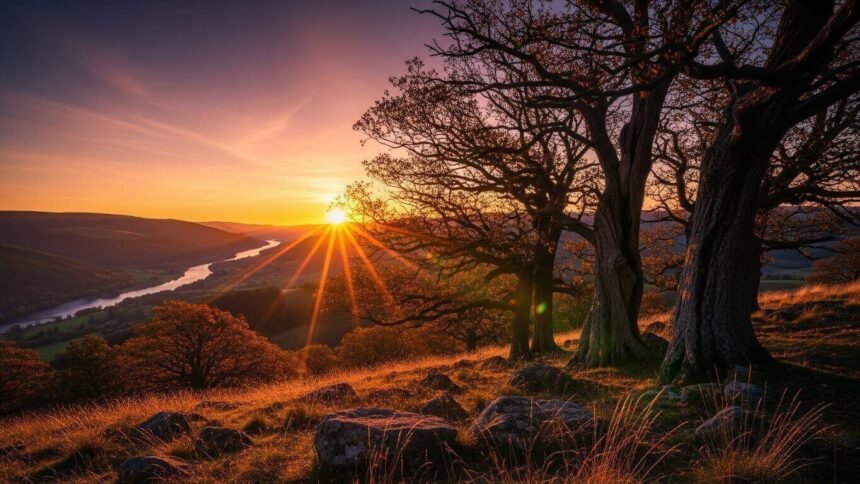
Photography enthusiasts and professionals alike have discovered the transformative power of photeeq lens flare in creating visually captivating images. This natural phenomenon, once considered a technical flaw, has evolved into a sought-after artistic element that adds depth, emotion, and drama to photographs. Understanding how to harness photeeq lens flare effectively can elevate your photography from ordinary to extraordinary, whether you’re shooting portraits, landscapes, or commercial work.
- Understanding the Science Behind Photeeq Lens Flare
- Creating Intentional Photeeq Lens Flare Effects
- Technical Considerations for Photeeq Lens Flare Photography
- Post-Processing Techniques for Photeeq Lens Flare Enhancement
- Creative Applications of Photeeq Lens Flare Across Genres
- Common Challenges and Solutions with Photeeq Lens Flare
- Equipment Choices for Optimal Photeeq Lens Flare Results
- Advanced Techniques for Photeeq Lens Flare Mastery
- Professional Tips from Industry Experts
- Safety Considerations When Creating Photeeq Lens Flare
- The Future of Photeeq Lens Flare in Digital Photography
- FAQs
- Conclusion
The journey to mastering photeeq lens flare begins with understanding its nature and learning how to control it intentionally. Rather than avoiding these light artifacts, modern photographers embrace them as creative tools that can enhance storytelling and visual impact. This comprehensive guide explores everything you need to know about working with lens flare, from technical fundamentals to advanced artistic applications.
Understanding the Science Behind Photeeq Lens Flare
Light behaves in fascinating ways when it interacts with camera lenses, and photeeq lens flare represents one of the most intriguing optical phenomena in photography. When bright light sources enter the lens at certain angles, they scatter and reflect internally between lens elements, creating distinctive patterns and artifacts that appear in the final image.
The intensity and appearance of lens flare depend on multiple factors, including lens construction, coating quality, aperture settings, and the angle of incoming light. Modern lenses feature sophisticated anti-reflective coatings designed to minimize unwanted flare, yet photographers often seek specific conditions that produce controlled, aesthetically pleasing results.
Different lens designs produce unique flare characteristics. Prime lenses typically create cleaner, more defined flare patterns compared to zoom lenses with their multiple glass elements. Vintage lenses without modern coatings often generate more pronounced and colorful flare effects, which explains their continued popularity among creative photographers.
| Lens Type | Flare Characteristics | Best Use Cases |
|---|---|---|
| Modern Prime | Clean, minimal artifacts | Professional portraits, commercial work |
| Zoom Lenses | Multiple small spots | Versatile shooting scenarios |
| Vintage Glass | Colorful, pronounced effects | Artistic and creative photography |
| Wide Angle | Dramatic sunbursts | Landscape and architectural shots |
| Telephoto | Subtle, diffused glow | Backlit portraits and nature |
Creating Intentional Photeeq Lens Flare Effects
Capturing beautiful photeeq lens flare requires deliberate technique rather than happy accidents. Positioning yourself so that a bright light source sits just outside or partially within the frame edge often produces the most controllable results. The golden hours around sunrise and sunset provide ideal lighting conditions, as the lower sun angle creates warm, diffused light that enhances flare characteristics.
Experimenting with aperture settings dramatically affects how lens flare manifests in your images. Smaller apertures like f/16 or f/22 create defined sunburst patterns with distinct rays radiating from light sources, while wider apertures produce softer, more diffused halos and atmospheric effects. Each approach serves different creative purposes and emotional tones.
Manual focusing gives you precise control over flare intensity and placement. Slight adjustments to focus can either enhance or reduce visible flare, allowing you to fine-tune the effect until it complements rather than overwhelms your subject. This hands-on approach helps develop an intuitive understanding of how light interacts with your specific equipment.
Using your hand or other objects to partially block direct light creates fascinating variations in photeeq lens flare patterns. This technique, called flagging, allows you to maintain some flare elements while controlling their intensity. Strategic positioning of fingers or lens hoods can transform harsh, distracting flare into subtle, atmospheric light that enhances mood without dominating the composition.
Technical Considerations for Photeeq Lens Flare Photography
Achieving consistent results with photeeq lens flare demands attention to technical details that many photographers overlook. Lens cleanliness significantly impacts flare quality, as dust, fingerprints, and smudges create unpredictable scattering patterns that reduce image clarity. Regular cleaning with proper tools ensures that any flare you capture stems from intentional creative choices rather than equipment neglect.
Camera metering systems struggle with high-contrast scenes involving bright light sources, often underexposing the main subject while attempting to preserve highlight detail. Learning to use exposure compensation or manual exposure mode helps balance ambient exposure with dramatic backlighting that produces compelling flare effects.
Shooting in RAW format provides maximum flexibility when working with photeeq lens flare during post-processing. RAW files retain significantly more highlight and shadow information compared to JPEG files, enabling you to recover details and adjust tonal balance without degrading image quality. This latitude proves invaluable when finessing the relationship between flare elements and subject exposure.
White balance choices dramatically influence the emotional impact of lens flare imagery. Warmer color temperatures enhance golden hour flare with rich amber and orange tones, while cooler settings create ethereal, dreamlike qualities. Custom white balance adjustments allow precise color control that aligns with your creative vision and enhances the overall atmospheric quality of the photograph.
Post-Processing Techniques for Photeeq Lens Flare Enhancement
Digital editing software opens new dimensions for refining and enhancing photeeq lens flare captured in-camera. Selective adjustments to highlights, shadows, and midtones help balance exposure across the frame, ensuring that flare elements enhance rather than distract from the primary subject. Graduated filters and radial adjustments provide localized control over specific image areas affected by bright light sources.
Contrast and clarity adjustments require careful handling in images featuring prominent lens flare. Excessive contrast can make flare appear harsh and artificial, while too little contrast may result in flat, lifeless images. Finding the optimal balance preserves the ethereal quality of natural flare while maintaining overall image impact and dimension.
Color grading techniques can transform the mood and character of photeeq lens flare effects dramatically. Split-toning allows you to introduce complementary colors into highlights and shadows, creating sophisticated color relationships that elevate the visual interest. Subtle orange and teal combinations work particularly well with golden hour flare, while monochromatic approaches emphasize form and texture over color.
| Editing Tool | Primary Function | Impact on Flare |
|---|---|---|
| Highlights Slider | Controls bright areas | Reduces blown-out flare spots |
| Dehaze | Adds contrast and clarity | Balances atmospheric diffusion |
| Graduated Filter | Selective tonal adjustment | Controls bright sky areas |
| Radial Filter | Localized enhancement | Emphasizes subject amid flare |
| Color Grading | Mood and atmosphere | Enhances emotional resonance |
Advanced editing techniques include frequency separation, which separates color information from texture, allowing independent adjustments that preserve fine details while modifying tonal relationships. This approach proves particularly valuable when working with images where photeeq lens flare creates complex color interactions that require nuanced handling.
Creative Applications of Photeeq Lens Flare Across Genres
Portrait photography benefits enormously from thoughtful incorporation of photeeq lens flare, which adds dimension, warmth, and emotional depth to human subjects. Positioning subjects with backlight creates luminous rim lighting that separates them from backgrounds while introducing natural flare that enhances the dreamy, romantic quality many clients desire. This technique works especially well for engagement sessions, maternity photography, and lifestyle portraits.
Landscape photographers harness photeeq lens flare to emphasize the grandeur and atmosphere of natural scenes. Dramatic sunbursts piercing through mountain peaks or forest canopies create focal points that guide viewer attention while reinforcing the connection between earth and sky. The interplay between solid landscape elements and ethereal light effects generates visual tension that makes images more dynamic and engaging.
Commercial and product photography increasingly incorporates controlled lens flare to suggest premium quality, innovation, and aspirational lifestyle qualities. Automotive photography particularly benefits from this approach, as strategic flare placement emphasizes sleek lines and reflective surfaces while creating a sense of motion and energy even in static images.
Wedding photographers have embraced photeeq lens flare as a signature element that transforms standard documentation into artistic storytelling. Candid moments captured during golden hour with natural flare create timeless, magazine-worthy images that couples treasure. The soft, romantic quality aligns perfectly with the emotional tone of wedding celebrations while adding professional polish that distinguishes skilled photographers from amateurs.
Common Challenges and Solutions with Photeeq Lens Flare
Managing excessive or poorly positioned flare remains one of the primary challenges photographers face when working with intense backlighting. When flare overwhelms the subject or creates distracting color casts across important image areas, the effect detracts rather than enhances. Learning to recognize problematic flare during capture rather than discovering it later during editing saves considerable time and frustration.
Loss of contrast and detail in areas affected by strong photeeq lens flare can reduce overall image quality significantly. This issue becomes particularly problematic in commercial work where clients expect crisp, detailed images. Strategic positioning, careful exposure management, and selective processing help maintain acceptable sharpness while preserving desirable atmospheric effects.
Color accuracy challenges emerge when working with pronounced lens flare, as scattered light introduces color casts that may require correction. Understanding how different light sources and lens coatings interact helps anticipate these issues. Custom white balance and targeted color correction in post-processing restore accurate tones while maintaining the artistic flare effects you intended to capture.
| Challenge | Symptoms | Solution Strategy |
|---|---|---|
| Excessive Flare | Subject obscured, lost details | Adjust shooting angle, use partial blocking |
| Color Contamination | Unwanted color casts | Custom white balance, selective color correction |
| Contrast Loss | Flat, muddy appearance | Localized contrast adjustments, clarity enhancement |
| Blown Highlights | Pure white areas with no detail | Exposure compensation, HDR techniques |
| Green Spot Artifacts | Distracting colored circles | Clone/heal in post, avoid direct sun in frame |
Equipment Choices for Optimal Photeeq Lens Flare Results
Lens selection profoundly influences the quality and character of photeeq lens flare you can achieve. Understanding the flare characteristics of different lenses in your kit allows you to select the optimal tool for specific creative intentions. Some photographers maintain a collection of both modern and vintage lenses specifically for their diverse flare signatures.
Filters affect lens flare in complex ways that vary based on filter type and quality. UV and clear protective filters can introduce additional reflective surfaces that increase unwanted flare, particularly when shooting directly toward bright light sources. Removing these filters when deliberately creating flare often produces cleaner, more controlled results.
Lens hoods serve important protective functions but can limit your ability to create certain photeeq lens flare effects. Removable hoods offer flexibility, allowing you to attach them when unwanted flare threatens image quality and remove them when pursuing creative flare effects. Understanding when to use or bypass lens hoods represents an important aspect of technical mastery.
Prime lenses with simple optical designs often produce the most aesthetically pleasing flare characteristics. Lenses with fewer glass elements generate cleaner artifacts with less color fringing and more uniform patterns. The 50mm focal length particularly excels at creating beautiful, controllable flare that enhances rather than dominates compositions.
Advanced Techniques for Photeeq Lens Flare Mastery
Multiple exposure blending techniques allow photographers to capture the full dynamic range of challenging scenes while preserving intentional photeeq lens flare effects. By combining properly exposed images of both the subject and the bright light source creating flare, you maintain detail throughout the frame while retaining the atmospheric quality that makes flare desirable.
Focus stacking combined with flare elements creates images with both exceptional sharpness and creative light effects. This advanced approach requires careful planning and execution but produces results impossible to achieve through single exposures. The technique proves particularly valuable in landscape and macro photography where both depth of field and atmospheric effects matter.
Intentional camera movement during exposure creates dynamic, painterly effects when combined with photeeq lens flare. Subtle movements introduce motion blur that interacts with static flare patterns, generating unique artistic results. This experimental approach requires practice to master but opens creative possibilities that distinguish your work from conventional photography.
Time-lapse photography featuring changing light conditions showcases how photeeq lens flare evolves throughout golden hour and sunset. These sequences reveal the dynamic nature of natural light and create compelling content for both artistic projects and commercial applications. The gradual transformation of flare patterns adds narrative dimension that static images cannot convey.
Professional Tips from Industry Experts
Successful commercial photographers understand that client expectations regarding photeeq lens flare vary significantly across industries and demographics. Fashion and lifestyle brands often embrace artistic flare as part of their visual identity, while corporate and technical photography typically demands cleaner, more conservative lighting. Reading client preferences correctly and adjusting your approach accordingly demonstrates professional maturity.
Building a portfolio that showcases your command of lens flare techniques helps attract clients who specifically value this aesthetic. Including before-and-after examples or behind-the-scenes images that reveal your technical process adds educational value while demonstrating expertise. This transparency builds trust and helps clients understand the skill required to execute these effects consistently.
Experimenting with unconventional light sources beyond the sun expands your photeeq lens flare toolkit significantly. Practical lights, LED panels, and even smartphone flashlights can create controlled studio flare effects that give you complete creative control regardless of time of day or weather conditions. This versatility proves invaluable for commercial work with tight deadlines and specific creative requirements.
Developing a personal style around how you incorporate lens flare helps establish brand recognition in competitive photography markets. Consistency in your approach to exposure, color grading, and flare intensity creates cohesive bodies of work that resonate with specific audiences. This stylistic signature becomes part of your professional identity and competitive advantage.
Safety Considerations When Creating Photeeq Lens Flare
Protecting your vision should always take precedence over capturing the perfect photeeq lens flare shot. Never look directly at the sun through your camera’s viewfinder, as the concentrated light can cause permanent eye damage within seconds. Using live view mode on your camera’s LCD screen provides a safe alternative that allows you to compose and adjust settings without risking your eyesight.
Extended sensor exposure to direct sunlight can potentially damage your camera’s imaging sensor, particularly in older or less robust camera models. While brief exposures during normal shooting rarely cause problems, pointing your camera directly at the sun for prolonged periods increases risk. Being mindful of these limitations helps protect expensive equipment while still achieving creative flare effects.
Working in challenging lighting conditions for photeeq lens flare photography often means operating in environments with limited visibility and potential hazards. When shooting near water, on cliff edges, or in urban environments during busy times, maintaining awareness of your surroundings prevents accidents. The perfect shot never justifies compromising personal safety or that of others around you.
The Future of Photeeq Lens Flare in Digital Photography
Computational photography continues evolving rapidly, with smartphone cameras now capable of simulating realistic photeeq lens flare through software algorithms. While traditional photographers may view this development skeptically, it demonstrates the mainstream appeal of flare aesthetics and validates its importance in contemporary visual culture. Understanding both natural and artificial flare techniques positions photographers to remain relevant across changing technology landscapes.
Artificial intelligence tools increasingly offer automated flare enhancement and even complete flare generation in post-processing. These technologies democratize access to effects once requiring specialized equipment and expertise. Professional photographers can leverage these tools to save time on commercial projects while focusing creative energy on conceptualization and client relationships.
Virtual and augmented reality applications present new frontiers for photeeq lens flare aesthetics, as developers seek to recreate realistic lighting effects that enhance immersion. Photographers with deep understanding of natural flare principles are well-positioned to consult on these projects, translating their expertise into new mediums and revenue streams.
The growing appreciation for authentic, organic visual qualities suggests that thoughtfully executed photeeq lens flare will remain valued despite advancing technology. As audiences become increasingly sophisticated about differentiating between natural and artificial effects, photographers who master genuine flare creation through traditional methods maintain distinct competitive advantages in premium markets.
FAQs
Q: What is photeeq lens flare in photography?
A: Photeeq lens flare is a creative use of internal light reflections in a camera lens that adds atmosphere, emotion, and visual impact to images.
Q: How can I intentionally create lens flare?
A: Position a bright light source near the edge of your frame, experiment with aperture settings, and adjust your shooting angle to control flare intensity.
Q: Which lenses produce the best flare effects?
A: Vintage lenses and simple prime lenses often create more colorful, pronounced flare, while modern primes provide cleaner, controlled patterns.
Q: Does lens flare reduce image quality?
A: Excessive flare can lower contrast or obscure details, but with correct exposure and positioning, it enhances artistic and storytelling value.
Q: Can I enhance lens flare during post-processing?
A: Yes, tools like highlights adjustment, dehaze, radial filters, and color grading can refine natural flare and amplify its creative effect.
Conclusion
Mastering photeeq lens flare represents a journey that combines technical knowledge, artistic vision, and persistent experimentation. The techniques and principles outlined throughout this guide provide a foundation for developing your own approach to this powerful creative tool. Whether you’re just beginning to explore intentional flare effects or seeking to refine advanced skills, consistent practice with diverse subjects and lighting conditions accelerates your progress.
The artistic possibilities offered by photeeq lens flare continue expanding as photographers push creative boundaries and challenge conventional wisdom about what constitutes proper technique. Embracing experimentation while maintaining focus on storytelling and emotional impact helps ensure that flare effects enhance rather than overshadow your photographic message. The most compelling images balance technical execution with an authentic creative vision that resonates with viewers.
As you develop confidence working with lens flare, you’ll discover personal preferences regarding intensity, color, and placement that become signatures of your photographic style. These unique approaches differentiate your work in crowded markets while providing consistent visual threads that unify diverse projects. The journey toward mastery never truly ends, as each shooting situation presents new challenges and opportunities for creative problem-solving that keep photography endlessly fascinating and rewarding.