Introduction to Kalibraatio
Kalibraatio is a term that often flies under the radar, yet it plays a pivotal role in various industries. If you’ve ever wondered how precision measurements impact product quality or operational efficiency, you’re not alone. Whether you’re in manufacturing, healthcare, or any field requiring exact specifications, understanding kalibraatio can make all the difference.
- Introduction to Kalibraatio
- Understanding the Importance of Precision Measurements in Different Industries
- The Role of Kalibraatio in Ensuring Accurate Measurements
- Types of Calibration Processes and Equipment Used
- Benefits of Regular Calibration for Businesses
- How to Choose the Right Calibration Service Provider
- Conclusion: Keeping Your Industry Running Smoothly with Kalibraatio
Imagine relying on machinery that hasn’t been calibrated correctly; errors could lead to costly mistakes and safety hazards. The need for accuracy transcends sectors and affects everything from medical devices to automotive parts. This article will guide you through the essentials of kalibraatio, its importance, the processes involved, and how to ensure your operations run without a hitch. Let’s dive into why this concept matters so much!
Understanding the Importance of Precision Measurements in Different Industries
Precision measurements are vital across various industries. They ensure that products meet required specifications and standards. In manufacturing, even the slightest deviation can lead to defects, affecting quality and safety.
In healthcare, accuracy is crucial for diagnostics and treatment plans. A small error in measurement can have significant consequences for patient outcomes.
The aerospace industry also relies heavily on precise data. Aircraft components must be meticulously calibrated to guarantee performance and safety during flight.
Moreover, the food industry must adhere to strict guidelines regarding ingredient quantities. This ensures consistency in flavor and compliance with health regulations.
Each sector demonstrates that precision isn’t just a benefit; it’s a necessity for success. Failing to prioritize accurate measurements can lead to costly mistakes or even dangerous situations down the line.
The Role of Kalibraatio in Ensuring Accurate Measurements
Kalibraatio plays a crucial role in maintaining accurate measurements across various industries. Without it, organizations risk making decisions based on flawed data.
Precision is key. Whether in manufacturing or healthcare, even minor discrepancies can lead to significant consequences. Kalibraatio ensures that instruments and equipment provide reliable results consistently.
The process involves comparing measurement devices to recognized standards. This comparison helps identify any deviations, allowing for necessary adjustments. As a result, companies can trust their readings and improve product quality.
In highly regulated fields like pharmaceuticals, proper kalibraatio is not just recommended; it’s mandatory. It safeguards compliance with industry regulations while enhancing safety standards for consumers.
Investing time and resources into regular calibration checks keeps operations running efficiently and effectively. This commitment reflects an organization’s dedication to quality control and excellence in service delivery.
Types of Calibration Processes and Equipment Used
Calibration processes vary widely depending on the industry and equipment involved. Some of the most common methods include comparison, adjustment, and verification. Each process serves a unique purpose in maintaining measurement accuracy.
For instance, comparison calibration involves measuring an instrument against a standard reference. This helps identify discrepancies that need correction. Adjustment is where modifications are made to align the tool with these standards.
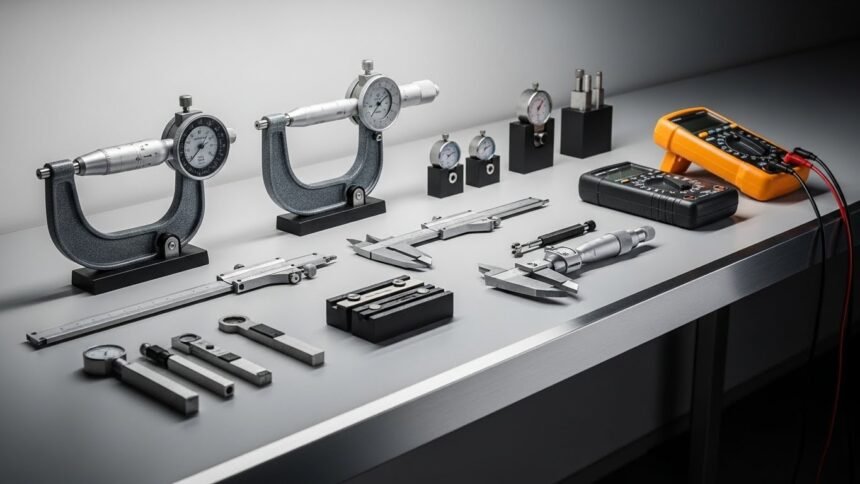
The equipment used can range from simple handheld devices to complex automated systems. Multimeters, pressure gauges, and thermometers often require regular calibration to ensure reliability.
Advanced industries may utilize specialized calibrators for more intricate measurements like torque or volume. Using precise tools tailored for specific applications enhances overall performance and safety in operations across sectors. With proper techniques in place, businesses can minimize errors effectively.
Benefits of Regular Calibration for Businesses
Regular calibration offers businesses a pathway to enhanced accuracy. When tools and equipment are calibrated consistently, the precision of measurements improves significantly. This leads to better quality control in manufacturing processes.
Increased efficiency is another key benefit. With accurate instruments, downtime caused by errors diminishes. Teams can focus on production rather than troubleshooting faulty readings.
Cost savings also emerge from regular calibration practices. By preventing inaccuracies, businesses avoid costly mistakes that could arise from using incorrect data or defective products.
Moreover, maintaining calibrated equipment fosters compliance with industry standards and regulations. This not only safeguards your reputation but also builds trust with clients and stakeholders who depend on reliable results.
Investing in regular calibration helps create a culture of excellence within an organization. It reinforces the commitment to quality while driving continuous improvement across various operations.
How to Choose the Right Calibration Service Provider
Choosing the right calibration service provider can feel overwhelming. Start by researching companies that specialize in your specific industry. Different sectors have unique requirements, so finding a provider with relevant experience is crucial.
Look for certifications like ISO 17025, which indicate adherence to international standards. This ensures you’re working with professionals who understand precision measurement and quality assurance.
Customer reviews offer valuable insights, too. Check online testimonials or request references from potential providers to gauge their reliability and responsiveness.
Additionally, consider the range of services they offer. A versatile provider can accommodate various types of equipment and techniques, making future calibrations easier.
Don’t forget about location and turnaround time. Proximity can reduce shipping costs and delays, while quick service minimizes downtime for your operations.
Ask about post-calibration support. Ongoing assistance is vital for maintaining optimal performance over time.
Conclusion: Keeping Your Industry Running Smoothly with Kalibraatio
Maintaining accuracy in measurements is crucial across various industries. Kalibraatio plays an essential role in achieving this precision. Regular calibration not only ensures compliance with standards but also enhances product quality and operational efficiency.
Choosing the right calibration service provider can significantly impact your business’s success. Look for a company that offers tailored services, has a strong reputation, and utilizes advanced technology.
By prioritizing kalibraatio, businesses can streamline processes and reduce risks associated with measurement errors. It fosters trust with clients and partners alike while keeping operations running smoothly. Embracing the importance of kalibraatio is a step towards excellence in any industry.