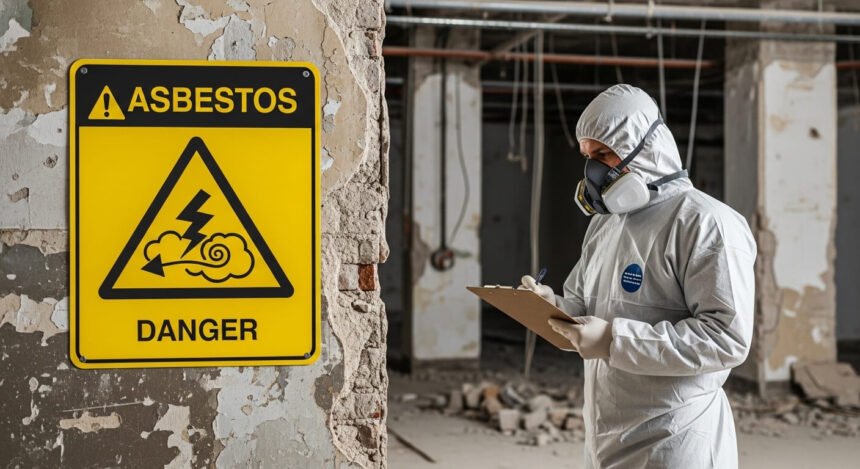
Asbestos, a word that often stirs up fear and confusion, has a complex history intertwined with both industrial progress and public health concerns. Once hailed for its durability and heat-resistant properties, asbestos became a staple in various construction materials throughout the 20th century. However, as the years went by, alarming evidence emerged linking asbestos exposure to serious health issues like lung cancer and mesothelioma.
Despite ongoing discussions about this notorious substance, many myths persist regarding its dangers today. Are you wondering if those old tales hold any truth? Let’s clear the air surrounding asbestos misconceptions and uncover what you really need to know about its risks and how to handle it properly.
Myth #1: Asbestos is No Longer a Concern
Many people believe that asbestos is a relic of the past, something we no longer need to worry about. This myth couldn’t be further from the truth.
While regulations have tightened significantly over the years, it is still present in many older structures and some newer products. Building materials like insulation, roofing shingles, and even some flooring can contain this hazardous substance.
Moreover, renovations or demolitions can disturb these materials, releasing harmful fibers into the air. Even minor disturbances may put individuals at risk without them realizing it.
Awareness about asbestos remains crucial. Its long latency period makes health risks insidious. Diseases such as mesothelioma and asbestosis often take decades to manifest after exposure. Ignoring its presence today could lead to dire consequences tomorrow.
Myth #2: Only Older Buildings Contain Asbestos
Many people believe that asbestos is only a concern in older buildings. This myth overlooks the fact that asbestos was widely used in construction materials until the late 20th century.
Even newer structures may contain asbestos, especially if they were built or renovated during periods when its use was still permitted. Materials like insulation, floor tiles, and roofing products could hide this hazardous substance within their composition.
Furthermore, renovation projects can disturb these hidden materials. Homeowners often underestimate the risk of encountering asbestos during DIY renovations in seemingly modern homes.
Ignoring this possibility can lead to serious health risks. It’s crucial to have any suspicious materials tested by professionals before proceeding with any renovation plans. Awareness is key to preventing exposure and protecting your health from potential dangers lurking behind walls or under floors.
Myth #3: Asbestos Exposure is Only Harmful through Inhalation
Many believe that asbestos exposure is only dangerous when inhaled. This myth oversimplifies the complexities of asbestos-related health risks.
Asbestos fibers can enter the body through ingestion as well. When these tiny particles settle on food or hands, they may be consumed inadvertently. This route poses serious health threats, including gastrointestinal cancers and other internal conditions.
Additionally, skin contact with asbestos-containing materials can lead to irritation or potential long-term effects, though less studied than inhalation pathways. The danger extends beyond just breathing in fibers; it encompasses various exposure scenarios.
Understanding how asbestos affects health requires a broader perspective. It’s essential to recognize that all forms of exposure carry risks and should not be taken lightly.
The Reality of Asbestos Exposure and Health Risks
Asbestos exposure poses serious health risks that are often underestimated. When it fibers become airborne, they can easily be inhaled or ingested. This silent threat has been linked to various diseases.
The most notorious condition is asbestosis, a chronic lung disease caused by long-term exposure. Symptoms can take decades to manifest, making early detection challenging.
Mesothelioma, a rare and aggressive cancer primarily affecting the lining of the lungs, is another consequence of asbestos exposure. Even brief encounters with this toxic mineral can increase risks over time.
It’s important to note that not all symptoms appear immediately after exposure. The latency period for these illnesses complicates public awareness and response efforts.
Understanding these realities emphasizes the need for caution around materials containing asbestos in any setting—home or workplace alike. Prioritizing safety measures ensures more lives remain unaffected by its dangers.
Proper Handling and Removal of Asbestos’s Materials
When it comes to handling asbestos materials, safety is paramount. Proper precautions must be taken to protect both individuals and the environment.
Always wear appropriate personal protective equipment (PPE), including respirators, gloves, and disposable coveralls. This gear minimizes exposure risk during any interaction with asbestos-containing materials.
If you suspect the presence of asbestos in your home or workplace, do not attempt DIY removal. it fibers can easily become airborne, leading to serious health risks.
It’s essential to hire professionals who are trained in its abatement. They possess the skills and tools needed for safe containment and disposal of hazardous materials.
Ensure that all work areas are properly sealed off during removal processes. This helps prevent cross-contamination with uncontaminated spaces.
Once removed, certified disposal methods must be followed according to local regulations. Safe management is crucial for public health and environmental integrity.
Conclusion
As we navigate the complexities surrounding asbestos, it is essential to separate fact from fiction. The myths that persist can lead to dangerous misunderstandings about this hazardous material. Despite its historical use and regulation changes, it remains a concern today.
Many people assume that since it has been banned in numerous applications, it poses no threat anymore. This is far from the truth, as older materials still exist and new sources can emerge without warning. Additionally, homes built after regulations were implemented may still contain hidden pockets of asbestos.
It’s important to recognize that exposure doesn’t solely occur through inhalation; other routes such as skin contact or ingestion are also possible. Understanding these risks helps individuals take necessary precautions in their environments.
When dealing with any potential asbestos-containing materials, proper handling and removal techniques are critical for safety. Engaging certified professionals ensures not only compliance with laws but also minimizes health risks associated with improper handling.
Staying informed about the realities of it empowers you to make safe choices regarding your environment and health. Knowledge is key in navigating this ongoing issue effectively while protecting yourself and others from potential harm related to asbestos exposure.