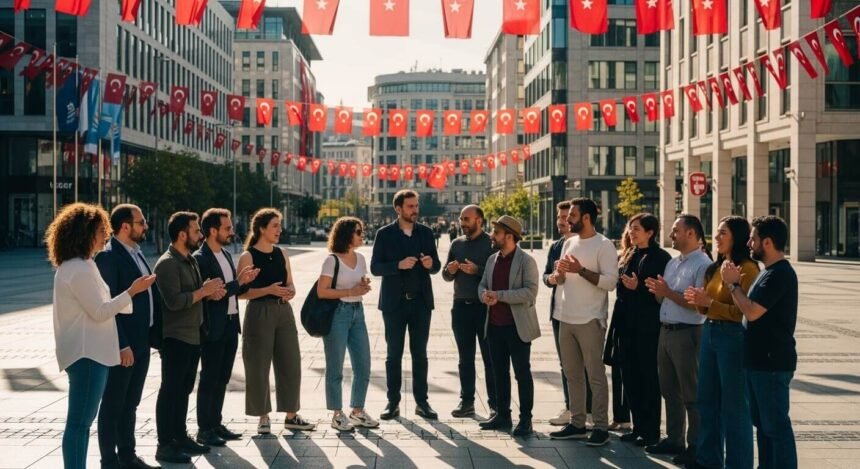
In an era where democratic values shape nations and communities worldwide, the term cumhuritey has emerged as a significant concept that transcends linguistic boundaries. Originating from the Turkish word “Cumhuriyet,” which translates to “republic,” cumhuritey embodies a profound philosophy of governance centered on people’s power, equality, and collective responsibility. This comprehensive exploration examines how cumhuritey represents not merely a political structure but a living ideology that continues influencing modern governance and civic consciousness across the globe.
- What is Cumhuritey: Defining the Core Concept
- Historical Evolution: From Ottoman Empire to Modern Republic
- Core Principles: The Pillars Supporting Cumhuritey
- Democracy and Participatory Governance
- Equality Before the Law
- Civic Consciousness and Responsibility
- Secularism and Religious Freedom
- Cumhuritey in Modern Society: Contemporary Applications
- Cultural Significance: How Cumhuritey Shapes Identity
- Global Influence: Cumhuritey Beyond National Borders
- Challenges Facing Cumhuritey in the Digital Age
- The Future of Cumhuritey: Adapting Ancient Wisdom to Modern Realities
- FAQs
- Conclusion
What is Cumhuritey: Defining the Core Concept
At its fundamental level, cumhuritey represents a system of governance where authority derives from the collective will of citizens rather than monarchs, dictators, or elite classes. The etymological roots trace back to “cumhur,” meaning “the people” or “the public,” combined with the suffix “-iyet,” which denotes a state or condition. Together, these linguistic components create a powerful declaration: a state of the people, by the people, and for the people.
The concept of cumhuritey emphasizes several foundational principles that distinguish it from other forms of government. These principles include democratic representation, where elected officials serve as voices for their constituents, and the rule of law, which ensures that legal frameworks apply equally to all citizens regardless of social standing. Additionally, cumhuritey champions civic participation, encouraging individuals to engage actively in shaping their communities rather than remaining passive observers of political processes.
Historical Evolution: From Ottoman Empire to Modern Republic
Understanding cumhuritey requires examining its historical trajectory, particularly within Turkish history. The transformation from the Ottoman Empire to the Republic of Turkey marked a watershed moment in political evolution. For centuries, the Ottoman Sultan wielded absolute power, and the concept of popular sovereignty was virtually nonexistent in the government.
Following World War I, Turkey experienced a revolutionary transformation under the leadership of Mustafa Kemal Atatürk. On October 29, 1923, the Republic of Turkey was officially proclaimed, establishing cumhuritey as the cornerstone of national identity. This momentous occasion represented more than a simple change in governmental structure; it symbolized a complete reimagining of how power should be distributed and exercised within society.
The principles established during this founding period continue to resonate today. Atatürk’s vision emphasized secularism, nationalism, modernization, and democracy as inseparable components of cumhuritey. These values transformed Turkey from an empire ruled by divine right into a modern republic governed by constitutional law and popular consent.
| Historical Period | Governance Structure | Power Source | Key Characteristics |
|---|---|---|---|
| Ottoman Empire (Pre-1923) | Monarchy | Sultan/Divine Right | Centralized authority, religious law, limited citizen rights |
| Early Republic (1923-1950) | Single-party Republic | Constitutional framework | Secular reforms, modernization, nation-building |
| Multi-party Era (1950-Present) | Democratic Republic | Electoral mandate | Competitive elections, civil society, evolving democracy |
Core Principles: The Pillars Supporting Cumhuritey
The philosophy of cumhuritey rests upon several interconnected principles that collectively create a framework for just and equitable governance. Understanding these pillars helps clarify why cumhuritey remains relevant in contemporary political discourse.
Democracy and Participatory Governance
Central to cumhuritey is the belief that democracy extends beyond periodic elections. True democratic participation means citizens actively contribute to policy discussions, hold leaders accountable, and engage in civic activities that strengthen community bonds. This participatory approach transforms governance from a top-down imposition into a collaborative endeavor between citizens and their representatives.
Equality Before the Law
The concept of cumhuritey demands that legal systems treat all individuals equally, regardless of wealth, social status, religious affiliation, or ethnic background. This principle represents a fundamental departure from feudal systems where different classes faced different legal standards. Under cumhuritey, justice becomes blind to privilege, ensuring that accountability applies universally across society.
Civic Consciousness and Responsibility
Perhaps one of cumhuritey’s most distinctive features involves its emphasis on civic consciousness the understanding that individuals bear responsibility not just for their personal welfare but for the collective good. This principle encourages volunteer work, community engagement, environmental stewardship, and social justice advocacy as essential expressions of citizenship.
Secularism and Religious Freedom
The framework of it includes a commitment to separating religious institutions from governmental functions while simultaneously protecting every individual’s right to practice their chosen faith. This balance allows diverse populations to coexist peacefully while preventing religious doctrines from dictating state policies that affect all citizens regardless of belief systems.
Cumhuritey in Modern Society: Contemporary Applications
In today’s interconnected world, the principles underlying cumhuritey find expression in various forms across different societies. While the term itself remains most closely associated with Turkish political culture, the universal values it represents resonate with democratic movements worldwide.
Modern applications of cumhuritey include social movements advocating for equality and justice, where organizers draw upon principles of collective action and shared responsibility. Community development projects that improve education, healthcare, and infrastructure rely on the collaborative spirit that cumhuritey promotes. Even in digital spaces, online communities form around shared values and goals, creating virtual manifestations of cumhuritey’s emphasis on collective identity and mutual support.
The relevance of cumhuritey extends to addressing contemporary challenges such as climate change, economic inequality, and political polarization. These complex issues require exactly the kind of coordinated, civically engaged responses that cumhuritey encourages. When citizens embrace their role as active participants rather than passive consumers of governance, societies become more resilient and adaptive.
Cultural Significance: How Cumhuritey Shapes Identity
Beyond its political dimensions, cumhuritey functions as a powerful cultural symbol that shapes collective identity and national consciousness. In Turkey, Republic Day celebrations on October 29 exemplify how cumhuritey transforms abstract political concepts into lived cultural experiences. These festivities feature parades, cultural performances, flag ceremonies, and educational programs that reinforce the values of freedom, unity, and democratic participation.
Educational systems play a crucial role in transmitting cumhuritey’s principles to new generations. Turkish schools incorporate lessons about citizenship, constitutional rights, and democratic responsibilities into their curricula, ensuring that young people understand both the privileges and obligations that come with living in a republic. This educational emphasis creates a foundation for active, informed citizenship that sustains cumhuritey across generations.
The cultural expressions of cumhuritey extend into art, literature, music, and public discourse. Artists and writers explore themes of freedom, justice, and collective identity through creative works that keep the spirit of cumhuritey alive and relevant. These cultural productions serve as reminders that cumhuritey represents more than governmental structures it embodies a way of life and a set of shared values that bind communities together.
Global Influence: Cumhuritey Beyond National Borders
While cumhuritey originates in Turkish historical experience, its core principles transcend national boundaries and resonate with democratic aspirations worldwide. The concept serves as a model for nations transitioning from authoritarian rule to democratic governance, offering insights into how societies can rebuild themselves while balancing tradition with progress.
International observers recognize cumhuritey as an example of successful democratic transformation in a predominantly Muslim-majority country, challenging stereotypes about compatibility between Islamic culture and republican governance. This global recognition elevates cumhuritey from a national concept to a universal symbol of how diverse societies can embrace democratic values while maintaining cultural authenticity.
The influence of cumhuritey appears in diplomatic relations, where Turkey promotes its republican model as an alternative path to modernization and development. This soft power dimension enhances Turkey’s international standing and provides inspiration for emerging democracies seeking to establish stable, inclusive governmental systems.
Challenges Facing Cumhuritey in the Digital Age
Despite its enduring relevance, cumhuritey faces significant challenges in the 21st century. Rapid technological change, globalization, and social fragmentation test the bonds of civic community that cumhuritey relies upon. Digital disinformation campaigns undermine trust in democratic institutions, while social media algorithms create echo chambers that fragment public discourse rather than fostering genuine dialogue.
Political polarization represents another threat to cumhuritey’s collaborative spirit. When citizens view political opponents as enemies rather than fellow community members with different perspectives, the shared sense of collective responsibility that cumhuritey requires begins eroding. Overcoming this polarization demands renewed commitment to the foundational values of mutual respect and constructive engagement.
Economic inequality also challenges cumhuritey’s promise of equal citizenship. When wealth concentrates in few hands while large segments of society struggle with basic needs, the theoretical equality enshrined in republican principles becomes difficult to maintain in practice. Addressing these economic disparities requires policy interventions that reflect cumhuritey’s commitment to collective welfare.
The Future of Cumhuritey: Adapting Ancient Wisdom to Modern Realities
Looking forward, it must evolve to address contemporary realities while maintaining its core principles. Digital citizenship represents one frontier where cumhuritey’s values can find new expression. Online platforms offer unprecedented opportunities for civic participation, allowing citizens to organize, communicate, and mobilize around shared concerns more efficiently than ever before.
The concept of cumhuritey can guide ethical approaches to emerging technologies like artificial intelligence, data privacy, and digital governance. By applying principles of transparency, accountability, and collective benefit, societies can ensure that technological advancement serves democratic values rather than undermining them.
Environmental sustainability provides another arena where cumhuritey’s emphasis on collective responsibility proves invaluable. Climate change requires exactly the kind of coordinated, long-term thinking that cumhuritey promotes recognizing that current generations bear responsibility not just to themselves but to future citizens who will inherit the consequences of today’s decisions.
Youth engagement represents crucial aspect of cumhuritey’s future. Younger generations demonstrate remarkable creativity in reimagining democratic participation through social movements, digital activism, and community organizing. By embracing these innovations while grounding them in cumhuritey’s time-tested principles, societies can ensure that republican values remain vibrant and relevant.
FAQs
Q: What does cumhuritey mean?
A: Cumhuritey refers to a people-centered republic based on democracy, equality, and civic responsibility.
Q: Where does the concept of cumhuritey come from?
A: It originates from the Turkish word “Cumhuriyet,” meaning “republic” or “rule of the people.”
Q: Why is cumhuritey important in modern society?
A: It promotes democratic participation, legal equality, and collective responsibility in governance.
Q: How has cumhuritey influenced Turkish history?
A: It shaped the foundation of the Republic of Turkey under Atatürk’s democratic and secular reforms.
Q: Does cumhuritey have global relevance today?
A: Yes, its principles apply to modern debates on democracy, civic engagement, and social responsibility.
Conclusion
The concept of cumhuritey offers more than historical interest; it provides a vital framework for understanding and strengthening democratic governance in our complex modern world. By emphasizing people’s power, civic participation, legal equality, and collective responsibility, cumhuritey reminds us that republics thrive only when citizens actively engage in shaping their shared destiny.
Whether examining Turkish national identity or exploring universal democratic principles, cumhuritey serves as both inspiration and guide. Its historical roots provide stability and wisdom, while its adaptability to contemporary challenges demonstrates remarkable resilience. As societies worldwide grapple with questions about governance, justice, and community, the principles embodied in cumhuritey offer timeless insights into how free people can organize themselves for mutual benefit.
Understanding cumhuritey means recognizing that democracy represents not a static achievement but an ongoing process requiring constant vigilance, participation, and renewal. By embracing this vision of active, responsible citizenship, communities can build stronger, more equitable societies that honor both individual liberty and collective welfare, the essential promise that cumhuritey has represented for over a century and will continue representing for generations to come.